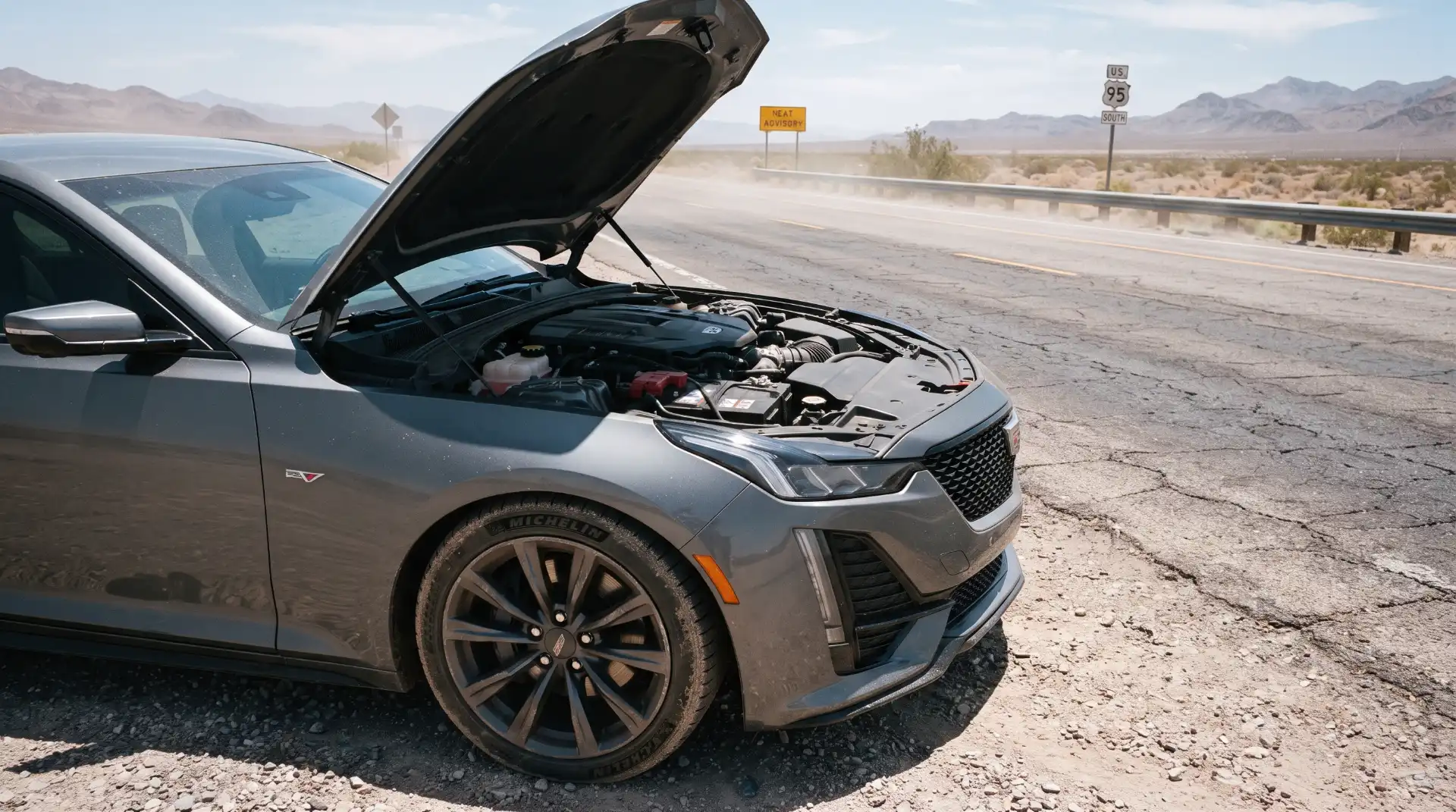
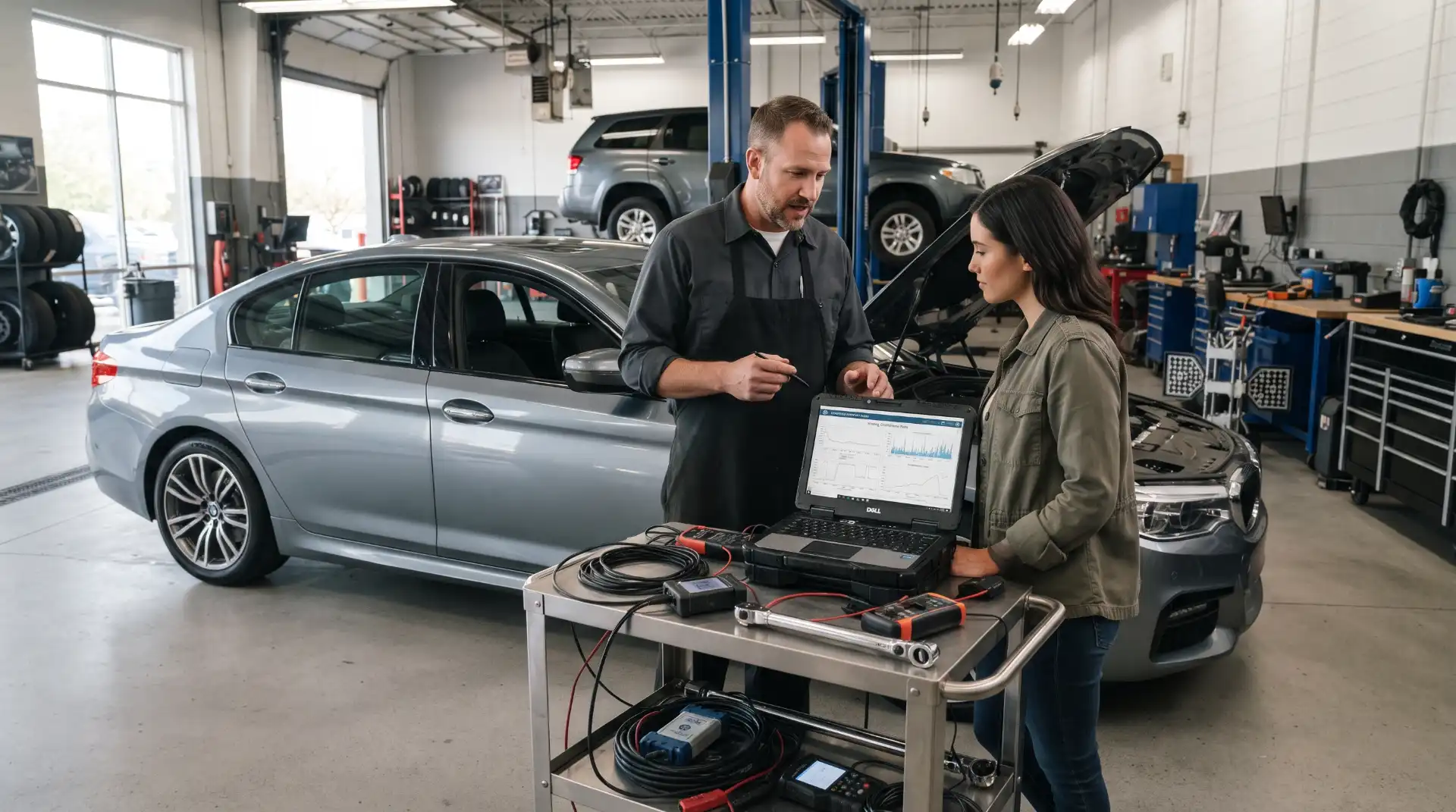
The automotive right to repair movement supports the ability of vehicle owners and independent technicians to access the parts, tools, software, instructions, and diagnostic information needed to repair modern cars. For American car enthusiasts, the issue affects maintenance costs, aftermarket modifications, project vehicles, track preparation, shop choice, and long-term ownership.
Working on a car once meant opening a printed service manual, checking a mechanical component, and replacing the damaged part with common tools. Modern vehicles have changed that process. Cars now contain dozens of electronic control modules, advanced safety systems, connected applications, encrypted networks, and software-controlled components.
These systems can improve performance, comfort, safety, and efficiency. They can also make independent repair more complicated.
A vehicle owner may physically replace a sensor but still need manufacturer software to register it. A new windshield may require camera calibration. A replacement headlight may need electronic programming. Even a battery replacement can involve a digital reset or battery registration procedure.
The right to repair debate asks a basic question. After someone purchases a vehicle, how much control should that person have over its maintenance, repair, and modification?
What Is Automotive Right to Repair?
Automotive right to repair generally refers to access to the resources needed to diagnose, maintain, and repair a vehicle. These resources may include service manuals, wiring diagrams, diagnostic codes, replacement parts, software tools, calibration procedures, and vehicle-generated data.
The movement does not mean every repair should be completed at home. It also does not require manufacturers to provide trade secrets without reasonable protections.
Instead, right to repair advocates argue that owners should have meaningful choices. A driver should generally be able to visit a dealership, choose an independent repair shop, or complete appropriate work personally.
The Federal Trade Commission has examined restrictions that can make products harder to repair. Its report, “Nixing the Fix,” discusses practices involving limited parts availability, specialized tools, proprietary software, and restricted repair information. The report also notes that manufacturers provided limited evidence to support many broad repair restrictions.
For car enthusiasts, access is particularly valuable because enthusiast ownership often involves more than routine transportation. Owners may restore older vehicles, modify performance cars, prepare vehicles for track days, install upgraded components, or maintain cars long after the original warranty expires.
Why Modern Cars Are Harder to Repair
Modern cars are not simply mechanical machines with a few electronic accessories. They are connected computer networks that also happen to move people.
A current vehicle may contain control modules for the engine, transmission, brakes, steering, suspension, airbags, lighting, climate control, entertainment system, cameras, radar units, and battery management system. These modules exchange information across internal communication networks.
When one component fails, the source of the problem may not be visible. A warning light could relate to a damaged wire, failed sensor, software issue, communication fault, or mechanical problem.
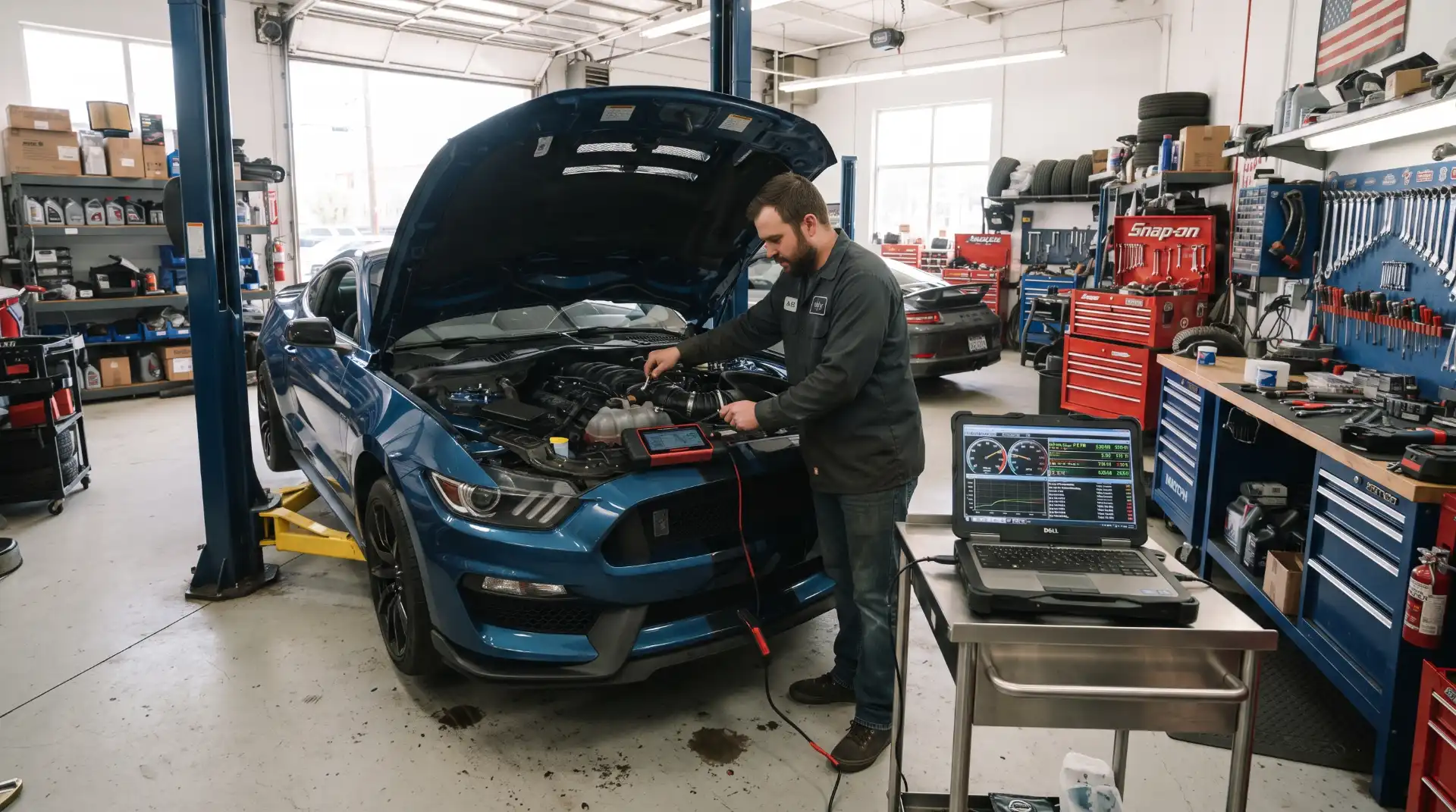
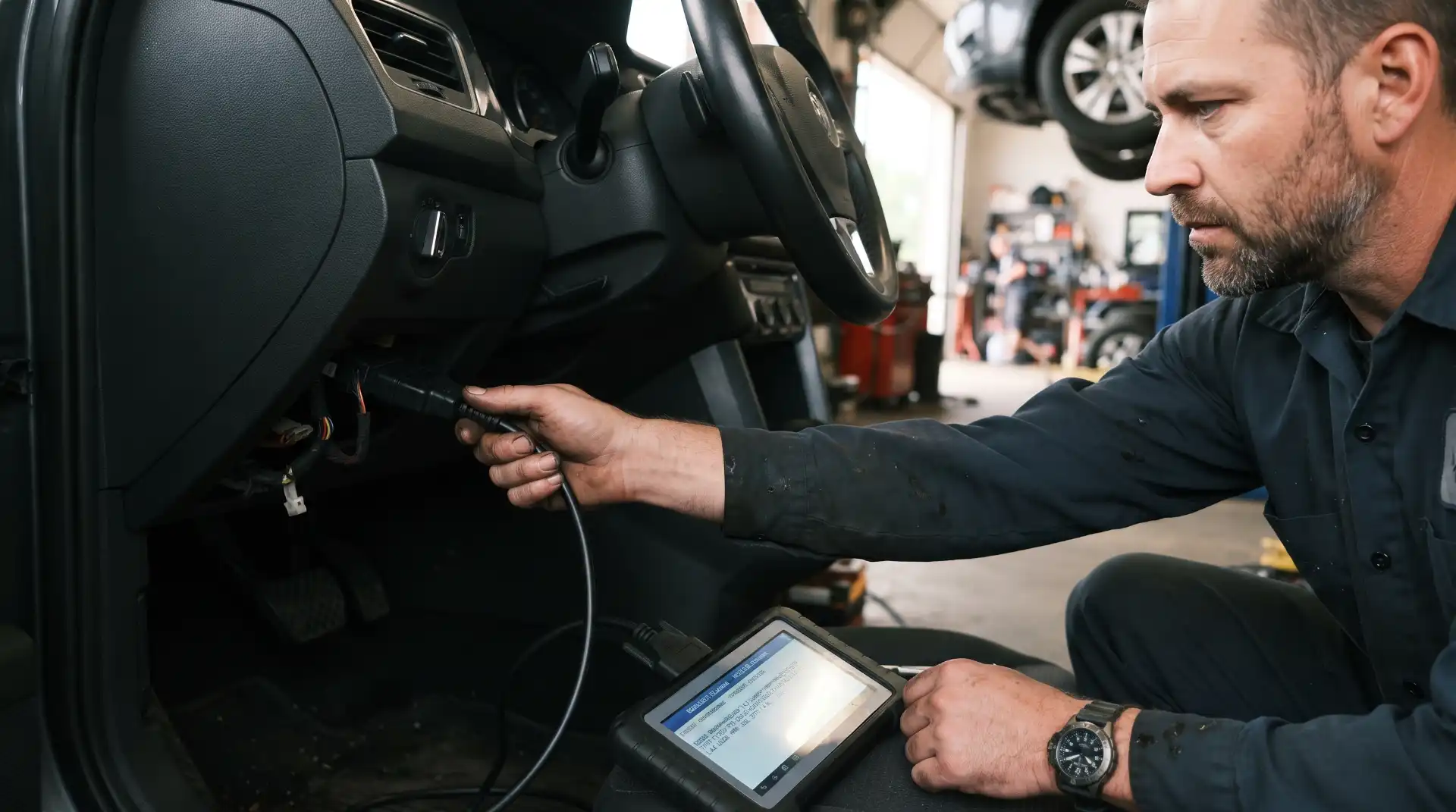
A technician usually needs a scan tool to read trouble codes and live data. More advanced repairs may require bidirectional controls, programming access, security credentials, or manufacturer-specific procedures.
This dependence on electronic information changes the meaning of repair access. Owning wrenches and mechanical knowledge may no longer be enough. The owner or technician may also need digital permission.
Diagnostic Information Is Central to the Debate
Diagnostic data helps technicians understand what a vehicle is doing and why a warning light has appeared. Without useful diagnostic access, repair work can become a process of replacing parts and hoping the problem disappears.
Basic OBD-II scanners can read many powertrain codes. However, consumer-grade tools may not provide full access to body modules, advanced driver assistance systems, infotainment systems, battery controls, or manufacturer-specific functions.
Professional independent shops often purchase advanced equipment and software subscriptions. These tools can be expensive, especially when a shop works on several brands.
The problem becomes more significant when required information is available only through a manufacturer-controlled platform. A shop may need separate subscriptions for different automakers, additional hardware, and specialized credentials.
For enthusiasts who work on multiple vehicles, these costs may limit the types of repairs they can complete. The mechanical repair might be manageable, but the software step may remain inaccessible.
Connected Vehicle Data Creates a New Challenge
Older right to repair discussions focused heavily on the physical diagnostic port under the dashboard. Connected vehicles have expanded the debate.
Many new cars transmit information wirelessly. This information may pass through manufacturer servers before reaching an application, dealership system, or approved service platform.
Vehicle-generated data can include trouble codes, operating conditions, maintenance information, mileage, component status, and other technical details. Access to that data can affect who identifies a problem and who gets the first opportunity to offer a repair.
If a manufacturer controls the wireless data path, an independent shop may not receive the same timely information as an affiliated dealership. A vehicle owner may also have limited ability to send the data directly to a technician of their choice.
Massachusetts has played a central role in the automotive right to repair discussion. Its automotive laws and ballot measures have focused on access to diagnostic and telematics information. Legal and technical disputes surrounding implementation also illustrate how difficult it can be to balance repair access with cybersecurity and privacy concerns.
As vehicles become more connected, right to repair increasingly means more than access to physical tools. It also involves access to digital systems and information.
What Right to Repair Means for DIY Car Owners
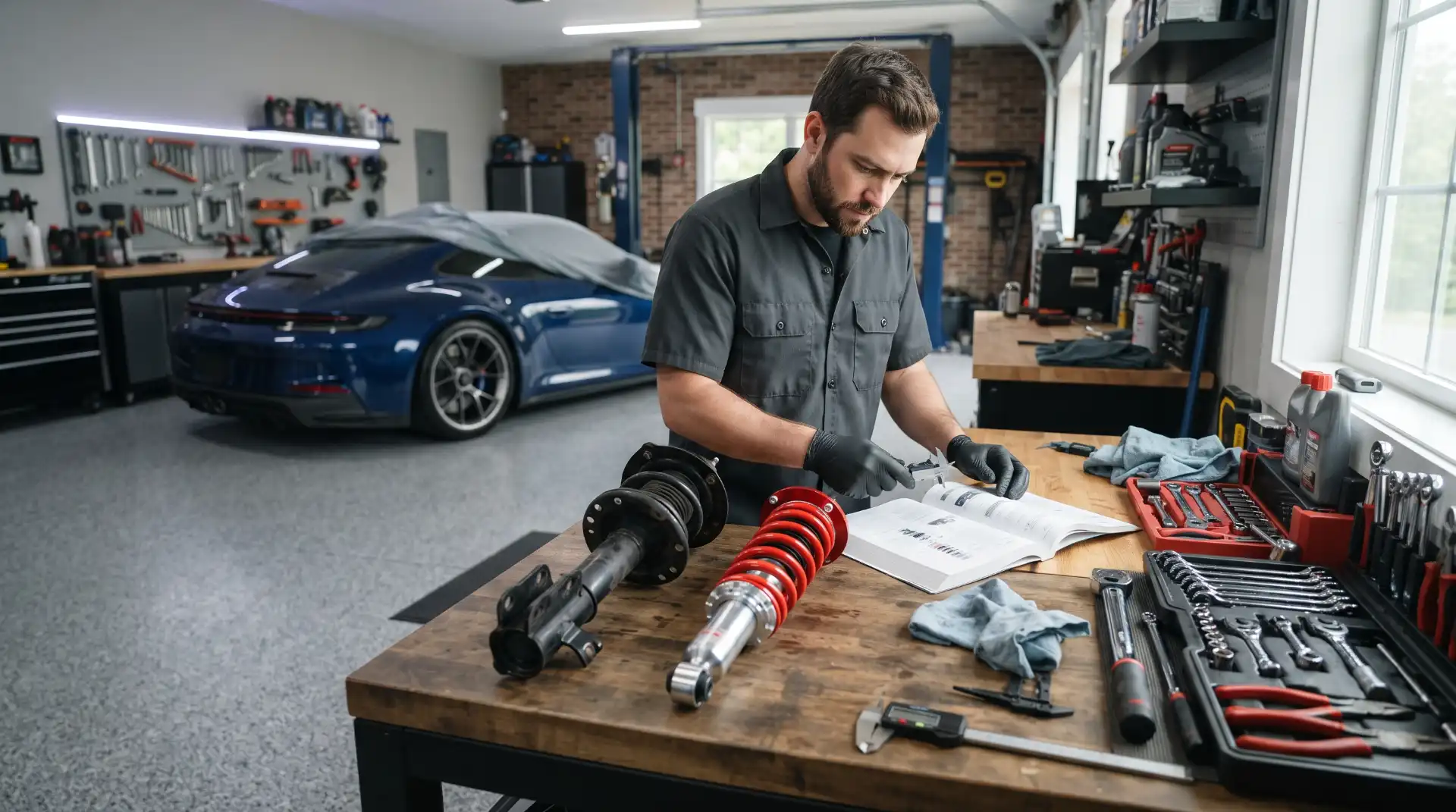
Many enthusiasts perform basic maintenance at home. Oil changes, brake service, suspension work, fluid replacement, spark plug changes, and accessory installation remain common home garage projects.
Right to repair can help DIY owners by improving access to accurate procedures, specifications, parts, and diagnostic resources.
Reliable service information matters because modern repair work often depends on exact instructions. A vehicle may require a specific tightening sequence, calibration routine, fluid standard, reset process, or software update.
Without this information, an owner may rely on incomplete videos, forum posts, or trial and error. Online communities can provide useful experience, but they do not always replace official technical documentation.
Better access may allow enthusiasts to complete suitable projects more confidently. It may also help them recognize when a repair requires professional equipment or specialized training.
Right to repair does not remove the risks involved in working on a vehicle. High-voltage batteries, airbags, pressurized fuel systems, advanced brakes, and driver assistance technology can create serious hazards. Owners still need to consider their skill level, equipment, workspace, and the consequences of an incorrect repair.
The goal is not to persuade every owner to become a technician. The goal is to preserve the option to learn, repair, and choose appropriate assistance.
The Importance of Independent Repair Shops
Independent repair facilities are a major part of American car culture. Some focus on everyday maintenance, while others specialize in European cars, Japanese performance vehicles, classic automobiles, off-road builds, racing preparation, electrical diagnostics, or custom fabrication.
These shops often develop knowledge that may not exist at a general dealership. A performance specialist may understand common cooling issues on a track car. A restoration shop may know how to preserve an older vehicle while incorporating modern components. A marque specialist may recognize model-specific problems quickly.
Right to repair access can help these businesses remain competitive.
An independent technician needs more than replacement parts. The shop may need repair procedures, wiring diagrams, scan data, software downloads, security access, and calibration instructions.
When these resources are unavailable or priced beyond practical reach, a qualified independent shop may have to decline the work. The customer then has fewer choices, even when another technician has the mechanical ability to complete the repair.
The movement therefore affects both vehicle owners and the network of small businesses that supports enthusiast communities.
How Repair Restrictions Can Affect Project Cars
Project cars often combine components from different models, manufacturers, and production years. An enthusiast might install a newer engine into an older chassis, upgrade an electronic differential, add a digital instrument cluster, or convert a street car for track use.
Mechanical compatibility is only one part of such a build. Electronic compatibility can become the larger obstacle.
A replacement module may be electronically paired to the original vehicle. An engine control unit may require coded keys or security authorization. A transmission controller may need software configuration before it communicates correctly with the rest of the car.
Component pairing can serve legitimate safety and theft-prevention purposes. However, it can also prevent the reuse of functioning parts when owners or independent technicians lack access to the necessary programming process.
This has consequences for affordability and sustainability. Used parts have long helped enthusiasts keep vehicles running. If a perfectly functional component cannot operate because of software restrictions, the owner may need to purchase a new part or visit a particular service provider.
Right to repair policies may influence whether future project cars remain practical for ordinary enthusiasts.
Right to Repair and Aftermarket Modifications
Modification is a central part of American car culture. Drivers upgrade brakes, wheels, suspension systems, exhaust components, cooling systems, seats, electronics, and engine management systems.
Modern software can complicate even familiar upgrades.
A new component may trigger a warning light. A control module may reject an unrecognized part. A software update may change compatibility with an aftermarket product. Some systems may place a vehicle into reduced-power mode when expected data is missing.
Manufacturers have legitimate reasons to protect emissions systems, safety equipment, and vehicle networks. A poorly designed modification can affect reliability, cybersecurity, or road safety.
However, enthusiasts often argue that reasonable protection should not become a blanket barrier preventing lawful customization.
The challenge is finding a balance between owner control and system integrity. Repair access can include documentation that explains how components communicate, what calibrations are necessary, and which modifications may interfere with essential systems.
Clearer information can produce better-informed modifications. It may also reduce the temptation to bypass systems without understanding the consequences.
Does Working on Your Own Car Void the Warranty?
A common misconception is that any independent repair or aftermarket part automatically cancels the entire vehicle warranty.
US warranty law generally does not allow a manufacturer to void a complete warranty merely because an owner used an independent shop or installed an aftermarket component. However, warranty coverage may be denied for a particular failure when the manufacturer can connect that failure to improper repair, misuse, or a modified part.
For example, installing aftermarket wheels does not automatically cancel coverage for an unrelated infotainment problem. However, an incorrectly installed suspension component could affect a warranty claim involving connected suspension damage.
Owners should keep receipts, service records, photographs, part information, and maintenance notes. Documentation can help establish what work occurred and whether the vehicle received appropriate maintenance.
Enthusiasts should also read warranty terms before making major changes. High-output engine tuning, emissions modifications, altered software, and competitive track use may create more complicated coverage questions than ordinary maintenance.
The FTC has stated that repair restrictions and warranty practices may raise consumer protection concerns. Its repair policy has supported closer enforcement of existing laws when companies improperly limit repair choice.
Safety and Cybersecurity Concerns
Opponents of broad repair access often raise concerns involving safety, cybersecurity, emissions compliance, intellectual property, and personal data.
These concerns should not be dismissed. Modern vehicles control steering, braking, acceleration, and battery systems through electronic networks. Unauthorized access to critical software could create real risks.
Connected cars may also store location history, contact information, account credentials, and personal preferences. Repair access systems need safeguards that protect this information.
The debate is therefore not simply about open access versus closed access. It concerns the design of a secure system that gives qualified users necessary repair information without exposing unrelated personal data or critical controls.
Possible approaches include standardized credentials, secure authentication, permission levels, access logs, and owner-controlled authorization. These systems may allow legitimate repairs while limiting misuse.
Security and repairability do not have to be treated as complete opposites. A transparent and carefully managed access system may support both goals.
Right to Repair and Electric Vehicles
Electric vehicles introduce additional repair questions because many EV functions depend on software, battery management, high-voltage components, and thermal controls.
An EV technician may need access to battery diagnostic data, charging system information, isolation test procedures, module programming, and manufacturer safety instructions.
Battery repair can be particularly important. Some battery problems affect only a module, sensor, cooling component, or connection. If repair information and replacement components are unavailable, the practical option may become replacement of a much larger assembly.
That approach can increase costs and create additional material waste.
At the same time, high-voltage repairs require extensive training and safety procedures. Right to repair does not mean unrestricted battery work by untrained individuals. It means qualified independent technicians may need a realistic path to the information, tools, parts, and certifications required to perform safe repairs.
EV enthusiasts may also encounter software restrictions when modifying cooling systems, installing performance components, or preparing an electric car for track use.
Readers interested in the growing role of electric vehicles in amateur motorsport can also explore The Rise of Electric Spec Racing in US Club Circuits 2025.
Advanced Driver Assistance Systems Change Collision Repair
Advanced driver assistance systems include automatic emergency braking, adaptive cruise control, lane assistance, parking sensors, blind-spot monitoring, and collision alerts.
These features rely on cameras, radar units, ultrasonic sensors, and control software. Many sensors are installed in bumpers, mirrors, windshields, and body panels.
A seemingly simple collision repair may therefore require scanning, alignment, calibration, and road testing. Replacing a windshield may involve recalibrating a forward-facing camera. Repairing a bumper may affect radar alignment.
Independent collision shops need access to accurate calibration requirements and supporting software. Without that information, a vehicle might look repaired while a safety system remains improperly configured.
Right to repair access can help shops follow manufacturer procedures rather than guess at sensor positioning or calibration steps.
It can also help owners understand why modern collision repairs cost more than comparable work on older vehicles.
The Federal and State Landscape
The United States does not have one comprehensive automotive right to repair rule that resolves every issue for every vehicle.
Instead, the landscape includes federal warranty and competition laws, state measures, voluntary industry agreements, manufacturer policies, and ongoing legislative proposals.
State governments have become significant drivers of broader right to repair legislation. As of July 2026, several states had enacted repair laws covering different categories of products, although automotive coverage and requirements vary.
Automotive proposals at the federal level have also focused on access to vehicle data, tools, and repair information. The exact status and wording of legislation can change, so vehicle owners and repair businesses should review current official information before relying on a proposed bill.
This uneven system means access may depend on the vehicle, manufacturer, state, data type, and repair being performed.
A car owner may have access to a service manual but not a programming function. An independent shop may obtain diagnostic software but face expensive subscription requirements. Another manufacturer may provide a strong public service portal while requiring additional security credentials for certain procedures.
Right to repair remains an evolving policy area rather than a finished national standard.
What Car Enthusiasts Can Do Now
Enthusiasts do not need to wait for a new law before taking practical steps.
Before buying a vehicle, research the availability of service manuals, scan tools, common parts, software subscriptions, and independent specialists. A car’s purchase price may not reveal how difficult it is to maintain outside the dealership network.
Owners can also keep detailed maintenance records and save copies of diagnostic reports. When replacing electronic modules, ask whether the part requires programming, calibration, or pairing.
It is helpful to build relationships with independent shops before a complicated problem develops. A qualified specialist may explain which repairs can be completed locally and which procedures require manufacturer access.
Enthusiasts who attend track days should inspect their cars carefully and address warning lights before driving at speed. The Track Day Training guide discusses preparation and driver development for motorsport participants.
Drivers using simulators and digital coaching systems may also find the site’s article about AI sim racing coaching and real-world driver training useful.
Questions to Ask Before Buying a Modern Enthusiast Car
Repairability deserves a place beside horsepower, handling, styling, and purchase price.
Ask whether independent scan tools support the vehicle. Check whether common electronic modules can be replaced with used parts. Research the cost of factory service information and software subscriptions.
Look into the availability of aftermarket components and independent specialists. Consider whether basic work requires dealer-only resets or calibration procedures.
Owners planning long-term use should also investigate parts availability. A high-performance car may be exciting when new but difficult to maintain after its manufacturer stops supporting specific electronic components.
These questions may be especially valuable when purchasing a rare model, imported vehicle, first-generation EV, or heavily software-dependent performance car.
Why the Movement Matters to Car Culture
Car enthusiasm has always involved participation. People do not simply own cars. They learn about them, maintain them, personalize them, race them, restore them, photograph them, and share knowledge with others.
Repair restrictions can change that relationship. A car may gradually become a sealed product controlled through subscriptions and manufacturer servers.
Right to repair supports a different vision. It treats the owner as an active participant who may choose where a vehicle is serviced and how long it remains on the road.
The movement also helps preserve independent technical knowledge. Local mechanics, tuners, fabricators, restoration specialists, and racing shops contribute to the diversity of American car culture.
Without practical access to information and tools, fewer businesses may be able to work on newer vehicles. Enthusiasts could become more dependent on limited service networks, even after warranties expire.
Right to Repair Does Not Mean Every Repair Is Simple
Expanded access cannot remove every obstacle.
Modern diagnostic equipment remains expensive. Software systems require training. Some procedures involve high voltage, hazardous materials, airbags, or critical safety systems.
Intellectual property protections and cybersecurity controls may also limit certain forms of access.
A meaningful right to repair framework should recognize these realities. It should create reasonable access rather than pretend every owner can safely perform every task.
Car enthusiasts already understand this principle. Someone may rebuild a manual transmission but hire a specialist to align a radar system. Another owner may complete brake work at home but use a professional shop for high-voltage battery diagnostics.
Choice is the central issue. Owners should be able to decide who works on their vehicles based on skill, equipment, cost, convenience, and trust.
The Future of Automotive Repair
Vehicle repair is likely to become even more connected to software. Manufacturers are developing centralized computing platforms, remote updates, subscription features, advanced automation, and continuous data services.
These developments may improve vehicles, but they also give manufacturers more control over functionality after the sale.
Future right to repair debates may address whether replacement components can be activated without manufacturer approval, whether owners can access data generated by their vehicles, and whether independent shops can perform software-based repairs on reasonable terms.
The discussion may also expand beyond repair. It could influence modification, resale, recycling, vehicle longevity, and the continued use of older electronic cars.
For enthusiasts, the stakes are substantial. The policies developed now may determine whether tomorrow’s cars remain maintainable project vehicles or become products with limited service lives.
Final Thoughts
The automotive right to repair movement is about preserving practical ownership in an era of software-controlled vehicles.
Car enthusiasts have a particular interest in the outcome because they often keep vehicles longer, complete their own maintenance, use independent specialists, install aftermarket parts, and participate in motorsport.
Reasonable access to repair information, diagnostic tools, replacement parts, software, and vehicle data can support competition and give owners more control. It can also help independent shops continue serving modern cars.
At the same time, repair access needs to account for cybersecurity, privacy, emissions requirements, and safety-critical systems.
The strongest approach is not unrestricted access without safeguards. It is a secure and workable system that recognizes both the complexity of modern vehicles and the legitimate interests of the people who own them.
For additional authoritative information about repair restrictions, readers can review the Federal Trade Commission’s Nixing the Fix report on repair restrictions.