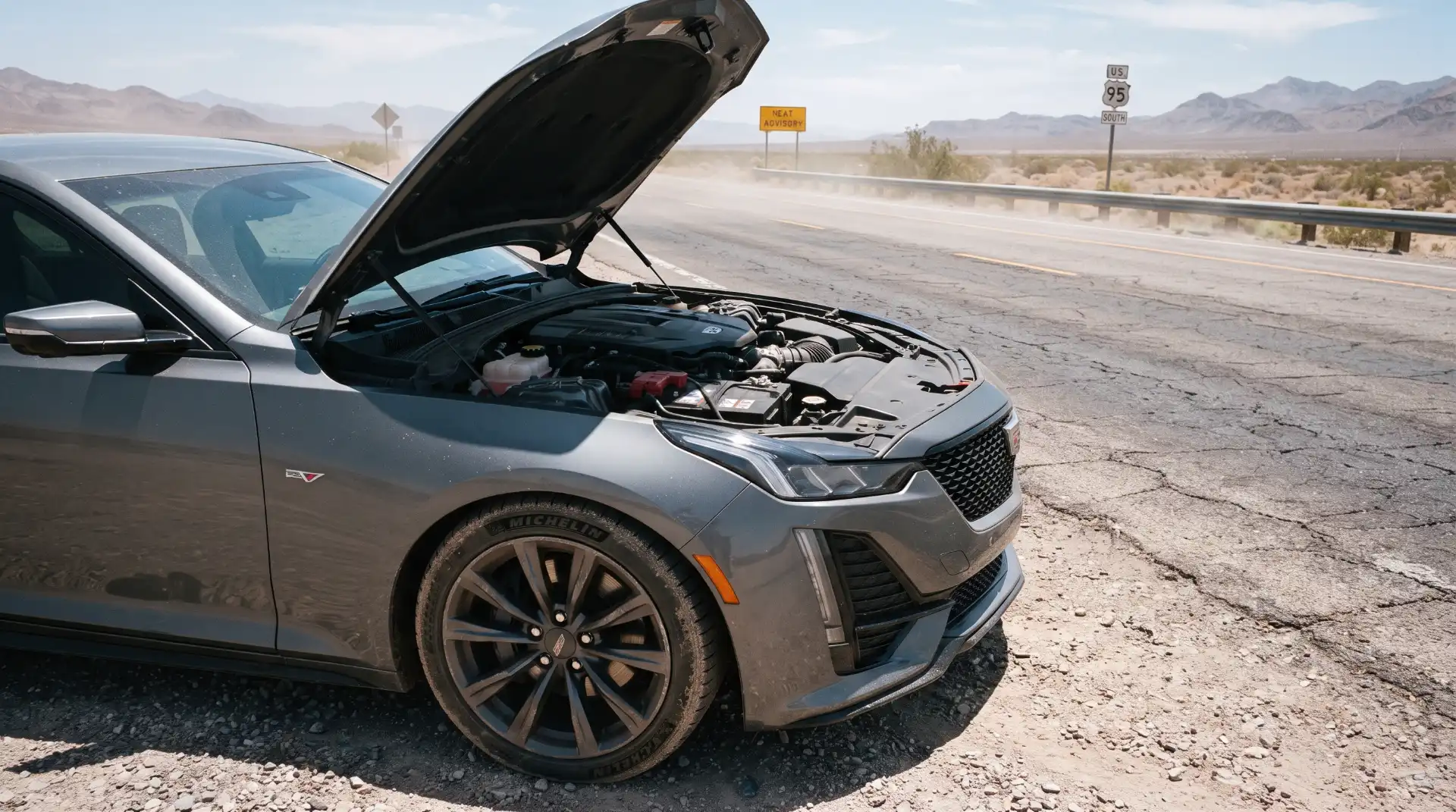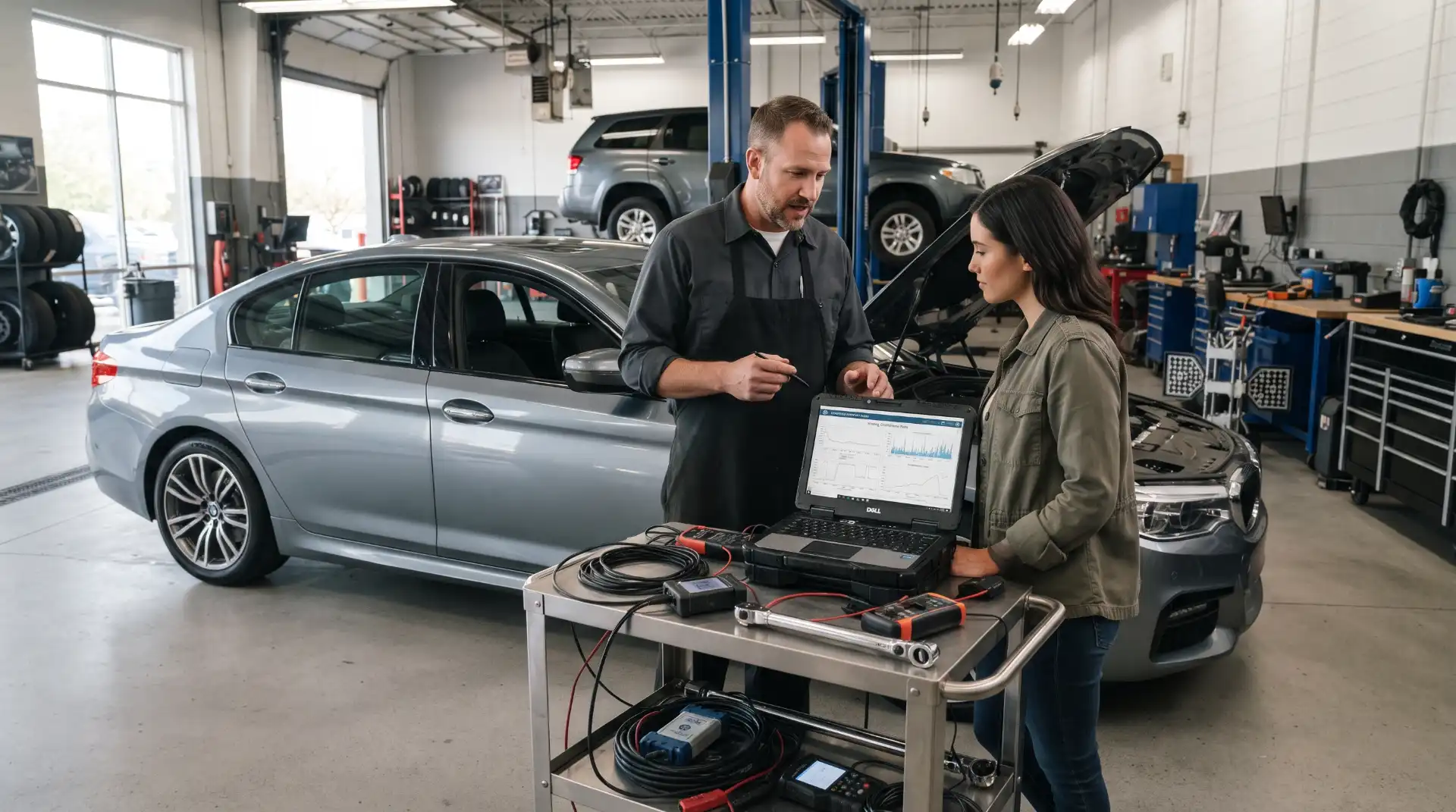

Extreme summer temperatures across the United States can create difficult conditions for vehicles. Heat waves, heavy traffic, long road trips, and scorching pavement all place additional stress on important vehicle systems. While many drivers focus on winter driving hazards, hot weather can also create serious mechanical problems if a vehicle is not properly maintained.
In many parts of the country, pavement temperatures become much hotter than the outside air. Asphalt absorbs sunlight throughout the day, which causes roads and parking lots to trap heat for hours. Vehicles sitting under direct sunlight may experience rising cabin temperatures, overheated fluids, and increased pressure inside the tires.
Summer travel also tends to increase during holidays and vacation season. Long highway drives, stop-and-go traffic, and overloaded vehicles can push engines, tires, and batteries harder than usual. Understanding how extreme heat affects these systems may help drivers reduce breakdown risks and avoid expensive repairs.
The National Highway Traffic Safety Administration offers additional information about tire safety and vehicle maintenance for summer driving conditions.

Why Summer Heat Places Extra Stress On Vehicles
Modern vehicles are designed to handle a wide range of temperatures, but prolonged exposure to extreme heat still affects performance over time. Engines naturally generate heat while operating, and high outdoor temperatures make cooling systems work even harder to regulate internal temperatures.
Heat buildup becomes more noticeable when vehicles sit in traffic or idle for long periods. Reduced airflow through the radiator may increase engine temperatures, especially during hot afternoons. Cars parked outdoors for several hours may also experience higher temperatures under the hood, which can affect fluids, hoses, batteries, and electronic systems.
Drivers in states such as Arizona, Nevada, Texas, California, and Florida often deal with longer periods of extreme heat during summer months. These conditions can gradually increase wear on important vehicle components.
How Heat Affects Tires
Tires are one of the most vulnerable parts of a vehicle during summer. Constant exposure to hot pavement and high-speed driving creates additional pressure and friction that may affect tire performance.
As temperatures rise, the air inside tires expands. This increase in pressure may affect traction, handling, and tire wear. Tires that are already overinflated before driving may become even more stressed during extreme heat.
Hot roads can also weaken tire rubber over time. Older tires or tires with worn tread may become more vulnerable to cracking, tread separation, or blowouts when exposed to prolonged heat.
Long highway drives during summer vacations may increase these risks because tires remain under continuous stress for hours at a time. Vehicles carrying heavy cargo or towing trailers may place even more pressure on tires during hot weather.
Drivers often overlook tire maintenance during summer, but regular inspections may help identify problems before they become dangerous. Checking tire pressure before road trips and inspecting tread condition can help reduce unnecessary wear.
Heat And Tire Blowouts
Tire blowouts tend to become more common during the hottest months of the year. Excessive heat weakens tire structure, especially in tires that are older or poorly maintained.
A blowout at highway speed can make a vehicle difficult to control. SUVs and trucks may face additional stability issues during sudden tire failure incidents.
Underinflated tires can also create problems during summer. Low pressure increases friction between the tire and the road, which creates even more internal heat buildup. Over time, this additional stress may increase the likelihood of tire damage.
Drivers planning long-distance travel may benefit from inspecting tires carefully before leaving. Small cracks, uneven wear patterns, or low tread depth may become larger safety concerns during extreme temperatures.
Suggested Inner Image
Image Prompt:
Mechanic checking tire pressure on an SUV parked outside during a hot summer afternoon in the United States, realistic automotive scene, no text, no logos, 16:9.
Alt Text:
Mechanic checking tire pressure during summer heat
How Summer Heat Affects Car Batteries
Many people associate battery failure with cold weather, but extreme heat can also shorten battery life. High temperatures may speed up chemical reactions inside the battery, which gradually increases internal wear.
In hotter climates, battery fluid may evaporate more quickly. This can reduce battery performance and make starting problems more common during summer.
Drivers may notice warning signs such as slow engine cranking, dim headlights, dashboard battery warnings, or electrical issues. Older batteries often struggle more during periods of prolonged heat exposure.
Parking habits may also affect battery lifespan. Vehicles parked in garages or shaded areas usually remain cooler than those left in direct sunlight throughout the day. Excessive cabin temperatures may also affect onboard electronics, screens, and charging systems over time.
As more vehicles rely on advanced electronics and driver assistance systems, battery performance has become even more important for daily driving reliability.
Electric Vehicles And Extreme Temperatures
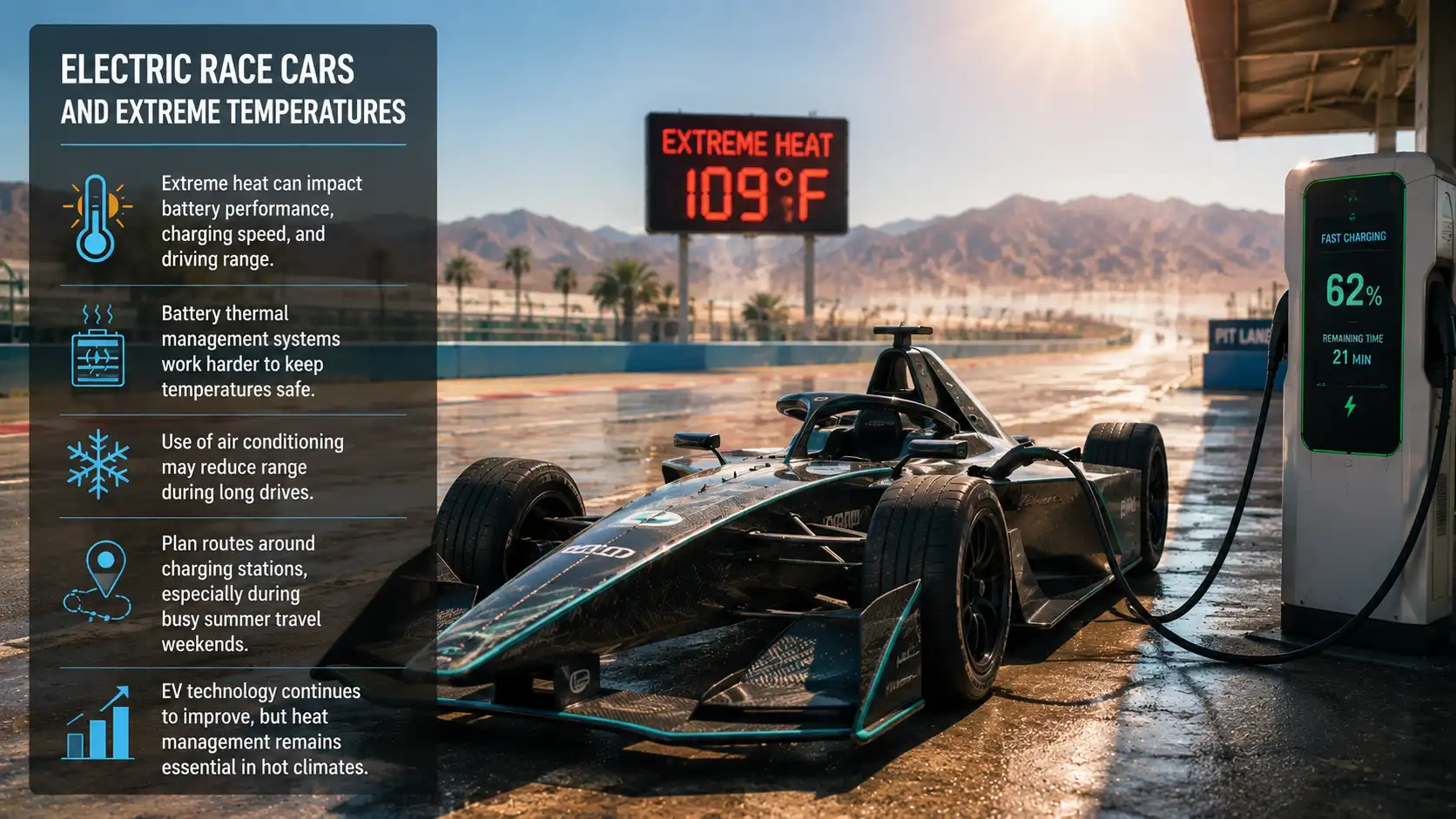
Electric vehicles face their own challenges during summer heat. Most EVs include thermal management systems designed to regulate battery temperatures, but prolonged exposure to extreme heat may still affect charging efficiency and driving range.
Drivers may notice slightly longer charging times during heat waves because battery cooling systems work harder to maintain safe temperatures. Heavy use of air conditioning may also affect range during long road trips.
Summer road travel continues to increase across the United States, and EV owners often plan routes carefully around charging station availability during busy travel weekends.
Although EV technology continues improving, heat management remains an important part of maintaining battery performance in very hot climates.
Engines Work Harder During Heat Waves
Engines already operate under high temperatures during normal driving conditions. Extreme summer heat forces cooling systems to work even harder to keep temperatures under control.
If the cooling system cannot regulate heat properly, the engine may overheat. Overheating can lead to expensive mechanical damage and leave drivers stranded on the roadside.
Modern vehicles include warning systems that alert drivers when temperatures rise too high, but overheating can still happen during difficult driving conditions. Long uphill climbs, towing, heavy traffic, and high outdoor temperatures may all contribute to engine stress.
Cooling systems rely on several parts working together properly, including the radiator, coolant, hoses, fans, and thermostat. Even a small issue within the cooling system may become more serious during extreme heat.
Drivers sometimes ignore small coolant leaks or rising temperature gauges until larger problems develop. Summer conditions often make these problems worse because engines remain under heavier thermal stress throughout the day.
Cooling Systems Become More Important In Summer
Radiators and coolant systems play a major role in preventing overheating during hot weather. Coolant absorbs excess engine heat and transfers it away from critical engine components.
Low coolant levels may reduce the system’s ability to regulate temperature effectively. Worn hoses, damaged radiator fans, or failing thermostats may also contribute to overheating problems during summer driving.
Some drivers first notice cooling issues while sitting in traffic with the air conditioning running. The combination of hot outdoor temperatures and limited airflow through the radiator can cause engine temperatures to rise quickly.
Steam from the hood, coolant leaks, warning lights, or sweet-smelling odors may all indicate cooling system problems that should not be ignored.
Routine inspections before long road trips may help drivers identify issues early before they become more serious.
Air Conditioning Systems Face Heavy Demand
Summer heat places constant demand on vehicle air conditioning systems. In many states, drivers rely heavily on AC systems during daily commutes and road trips.
When temperatures climb higher, weak air conditioning performance often becomes easier to notice. Some vehicles may struggle to cool the cabin effectively during extremely hot afternoons.
Reduced cooling performance, weak airflow, unusual noises, or warm air from the vents may indicate system problems. Refrigerant leaks or worn AC components may also place additional strain on the engine.
Drivers traveling long distances during summer often depend on reliable air conditioning for comfort and visibility, especially in areas where temperatures regularly exceed 100 degrees Fahrenheit.

Heat Can Affect Vehicle Fluids
Extreme temperatures may affect several important vehicle fluids, including engine oil, transmission fluid, brake fluid, and coolant.
Heat gradually reduces the effectiveness of these fluids over time. Engine oil may thin out faster under high temperatures, while transmission systems may work harder during stop-and-go summer traffic.
Brake systems may also experience increased stress during hot weather, especially when driving in mountainous areas or carrying heavy loads.
Regular fluid inspections and maintenance may help vehicles perform more reliably during summer travel.
Summer Road Trips Create Additional Stress
Summer remains one of the busiest travel seasons in the United States. Families often spend long hours driving across highways during vacations, holiday weekends, and outdoor events.
Extended highway driving places continuous pressure on tires, engines, batteries, and cooling systems. Vehicles towing campers, boats, or trailers may experience even greater stress in hot weather.
Drivers traveling through desert regions or remote highways may face additional risks if breakdowns occur during extreme heat. Carrying emergency supplies such as water, jumper cables, flashlights, and roadside kits may help drivers prepare for unexpected situations.
Checking tire pressure, coolant levels, battery condition, and fluid levels before leaving on a trip may reduce the chances of mechanical problems along the way.
Older Vehicles May Be More Vulnerable To Heat
Older vehicles often experience greater stress during heat waves because many parts naturally wear over time. Rubber hoses, seals, belts, and cooling system components may degrade after years of exposure to sunlight and high temperatures.
Drivers with older vehicles may notice more frequent overheating, reduced cooling efficiency, fluid leaks, or weaker battery performance during summer months.
Regular maintenance becomes especially important for vehicles with high mileage or aging cooling systems. Small issues that may seem minor during cooler weather can become more noticeable when temperatures rise.
Summer Heat Continues To Affect Drivers Across The U.S.
Heat waves continue affecting many regions across the United States each year. Rising temperatures, heavier traffic, and longer road trips may all contribute to increased wear on vehicle systems during summer.
Modern vehicles include advanced cooling systems and safety technology, but routine maintenance still plays an important role in preventing heat-related problems.
Understanding how extreme summer heat affects tires, batteries, and engines may help drivers prepare for changing road conditions while reducing unnecessary stress on their vehicles.