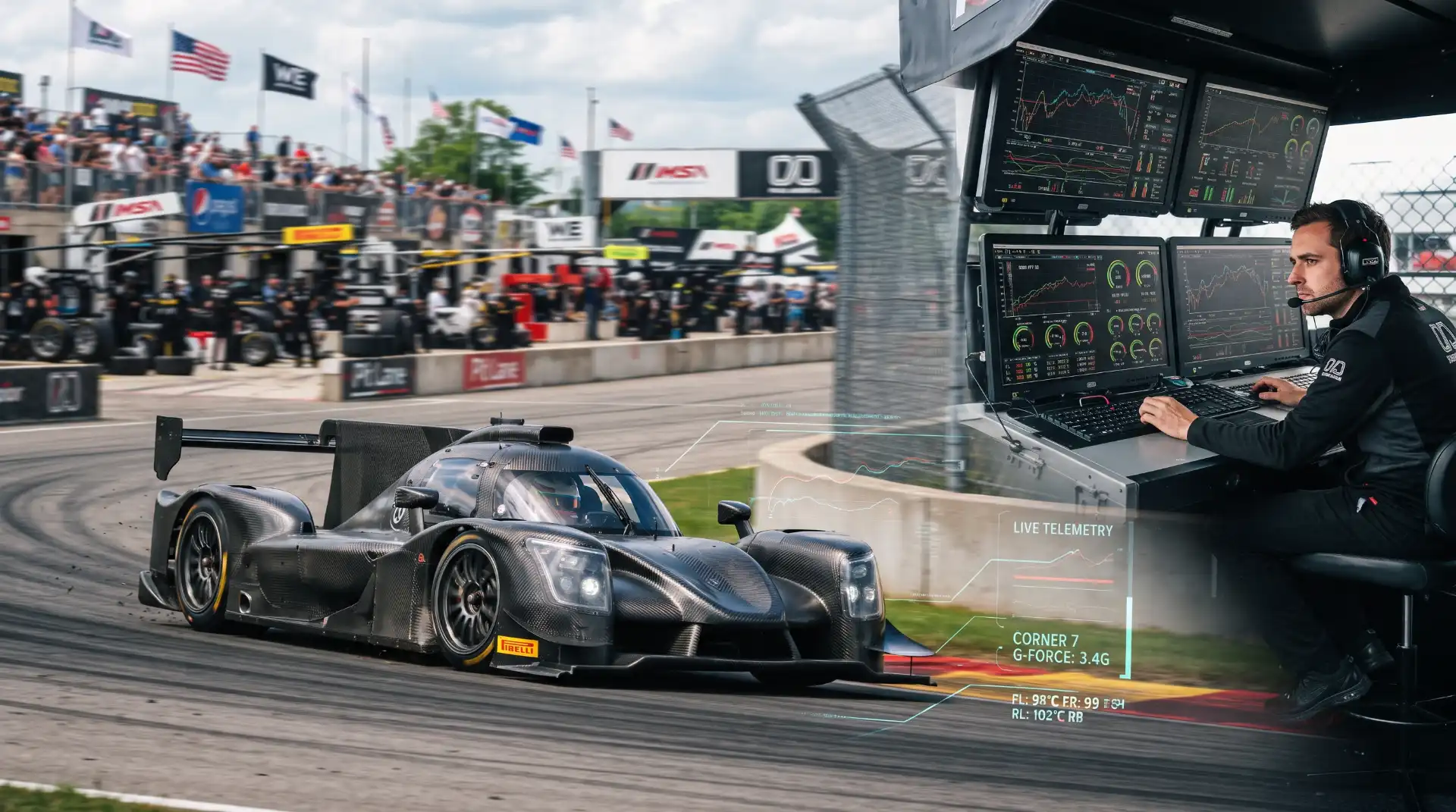
For years, electric racing in America felt like something that belonged somewhere else. If you followed EV motorsport, your mind usually went to Formula E, manufacturer demos, or one-off viral videos of fast Teslas embarrassing gas cars at open track days. Club racing was different. Club racing in the United States has always been local, practical, and deeply shaped by the culture of amateur motorsport: weekend paddocks, volunteer corner workers, regional sanctioning bodies, affordable used platforms, and classes that only survive if enough people actually show up. That is exactly why 2025 feels important. This is the year electric competition started to look less like a novelty and more like a real, repeatable pathway inside American club circuits. SCCA has continued formalizing EV participation across multiple disciplines, NASA’s Time Trial program explicitly includes EVs, and GRIDLIFE’s Model 3 Challenge offers the clearest proof that a spec-style electric format can work on US tracks.
The key point is that the rise of electric spec racing in 2025 does not mean the US suddenly has a perfect EV equivalent of Spec Miata or Spec Racer Ford running coast to coast every weekend. What is rising is a spec-style ecosystem: tighter rules, narrower modification windows, shared vehicle platforms, and sanctioning bodies learning how to handle EV tech, safety, and logistics in a grassroots environment. That distinction matters. American club racing almost never changes through one dramatic national launch. It changes when local regions, track-day programs, time trial groups, and grassroots series all begin solving the same problem at roughly the same time. That is what 2025 looks like for electric racing.
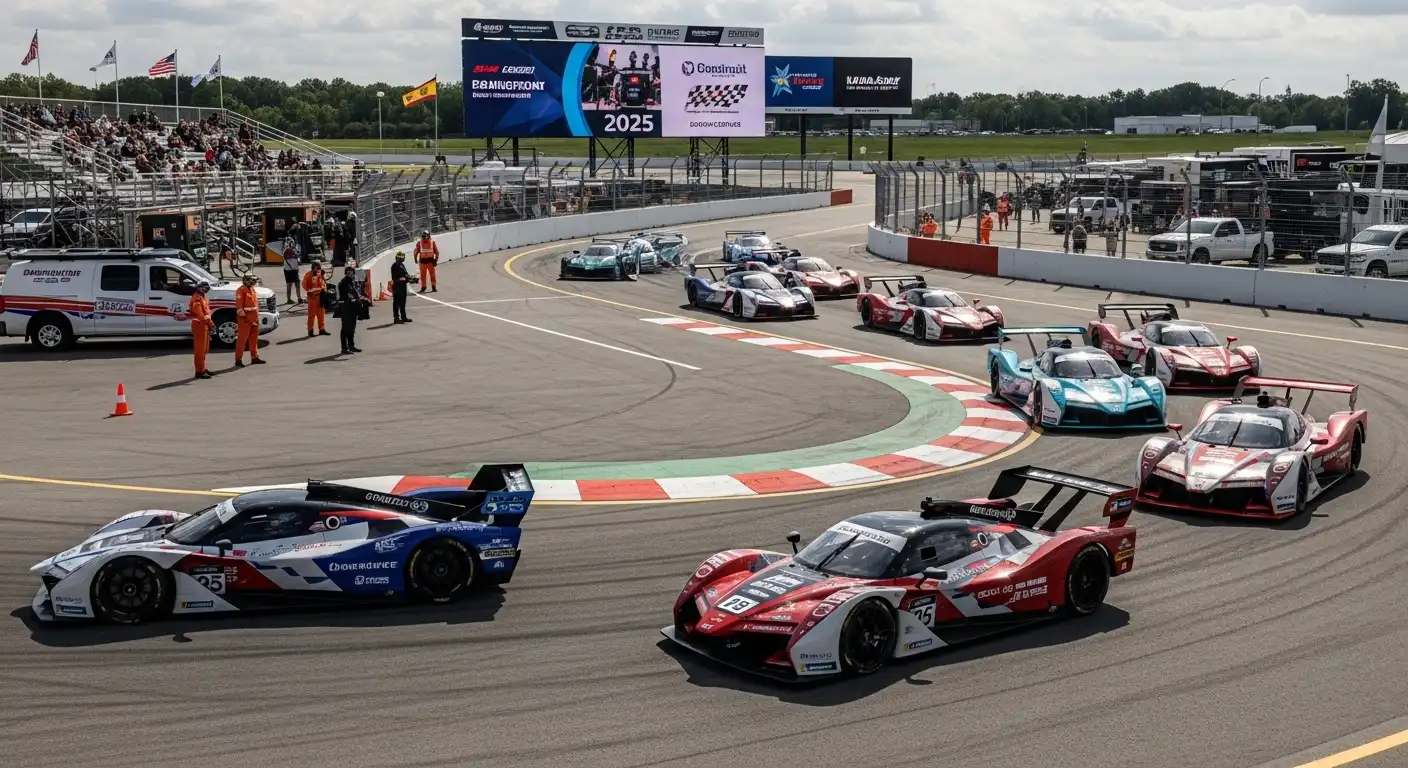
Why spec racing logic fits EVs so well
Spec racing succeeds in the US because it simplifies the hardest parts of amateur motorsport. It lowers the development arms race, makes tech inspection easier, keeps budgets more predictable, and gives newer racers a clear answer to the question, “What should I buy if I want to compete?” SCCA’s own Club Spec philosophy captures that perfectly: buy one car, use it in multiple forms of competition, and keep the ownership experience straightforward. SCCA says Club Spec cars are eligible for a wide range of events, including autocross, track events, time trials, and hill climbs. At the same time, SCCA’s Solo rules keep Electric Vehicle Experimental (EVX) available at all National Solo events, including Solo Nationals, and by late 2025 SCCA was describing EVX and other developmental classes as getting strong attention from the Solo community. In other words, the club-racing audience already understands the value of tightly managed classes and developmental categories. EV racing does not need to invent that mindset; it can plug into it.
That matters because EVs bring their own complexity. Battery size, motor layout, software behavior, thermal limits, charging strategy, and curb weight can all create big performance differences. A spec-style ruleset is the most American solution imaginable: do not wait for the market to become perfectly uniform, just build a class structure that narrows the spread and lets competitors race. That is exactly why power-limited, lightly modified, single-platform EV competition makes so much sense in the club world. It takes a technology people still find intimidating and turns it into something amateur racers already recognize. The rise of electric spec racing in 2025 is really the rise of a familiar club-racing idea applied to a new kind of car.
The official backbone finally exists
The biggest reason 2025 feels different is that the sanctioning side has matured. SCCA said in January 2025 that several of its Regions had already adopted local Regional-only road-racing classes for EVs, and it explained that the Electrified Vehicle Advisory Committee, or EVAC, was created to centralize rules and guidance for EV participation across Solo, Road Racing, Time Trials, RallyCross, RoadRally, and other programs. That work led to the Supplemental Competition Rules for Electrified Vehicles, or SCREV, and SCCA says EV-specific road-racing classes such as Electric Touring and Prototype Electric are now reflected in its General Competition Rules. That is a huge step for grassroots motorsport because rulebooks are what turn enthusiasm into repeatable competition. Until a sanctioning body decides how an EV enters tech, how workers respond to incidents, and where the class belongs, the category is not really established. It is just interesting.
For readers who want an official authority link inside this post, SCCA’s Electrified Vehicle Advisory Committee is one of the best places to start. It shows that EV participation is no longer being treated as a side discussion inside American amateur motorsport. It is being handled as a formal, multi-discipline project with safety, classing, and training implications for the entire club ecosystem. That kind of institutional buy-in is not flashy, but it is exactly the sort of groundwork every successful grassroots category needs.
GRIDLIFE’s Model 3 Challenge is the clearest proof of concept
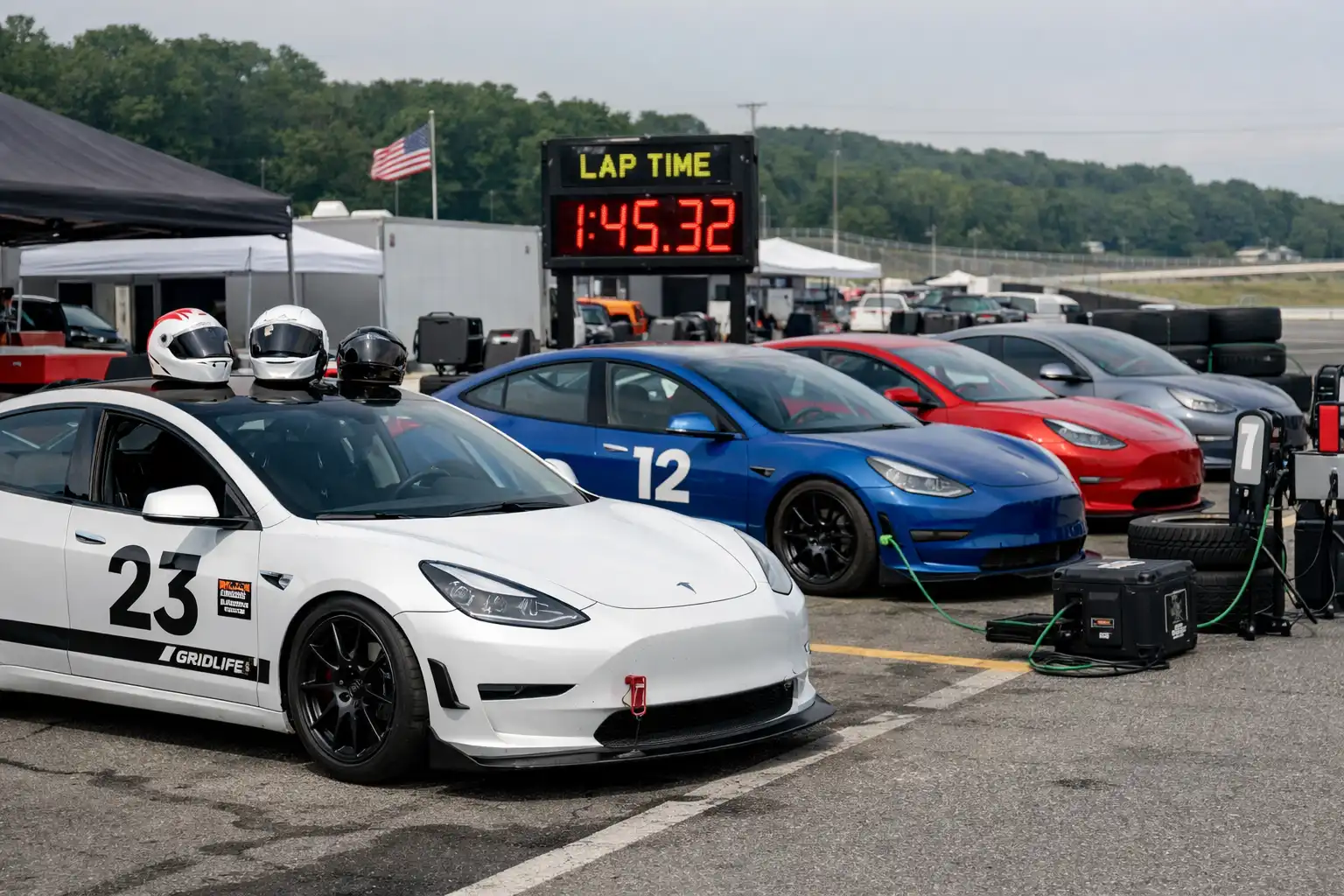
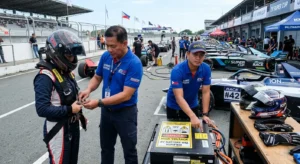
If one program best captures what electric spec racing looks like in the US right now, it is GRIDLIFE’s Model 3 Challenge. GRIDLIFE describes the series as “accessible EV motorsport” and says it uses power-limited Tesla Model 3s so different configurations of the car can compete together. The official series page also says the cars are modified to similar specifications, with the necessary kit available through Mountain Pass Performance partners. That is basically the DNA of spec racing translated into EV language: one common platform, tightly managed performance, a known parts pathway, and a promise that the car can remain usable enough that competitors do not feel like they are building an uncompromising science project.
Just as important, the competition format shows how EV racing is evolving on its own terms. GRIDLIFE’s official page frames the program around short sprint or track-challenge competition, with qualifying-based grids and passing managed through designated zones. That is not traditional elbow-out club racing in the old-school sense, but it is absolutely a recognizable amateur motorsport format: fast, structured, accessible, and more controlled than a full wheel-to-wheel class. It is also a smart fit for EV development, because it lets organizers manage safety, traffic, and battery/thermal realities while still giving drivers something closer to racing than a simple open lapping day.
Why 2025 became a real turning point
What makes 2025 especially revealing is that the Model 3 Challenge did not vanish when conditions got tougher. It adapted. On its 2025 schedule page, the series says it returned with a more entry-level approach, shifted toward smaller and less intimidating venues, and split the season into two formats: time trials and HPDE events. The posted 2025 calendar included time trials at Palmer Motorsports Park, Lime Rock Park, Canaan Motor Club, and Thompson Speedway, along with HPDE dates at Thompson and Lime Rock. The same page says the goal was to rebuild participation and eventually return to larger GRIDLIFE events with a 20-plus-car field once charging solutions were in place. That is one of the most believable signs of a healthy grassroots class: when organizers adjust the format to fit the market instead of pretending the market is somewhere it is not.
The 2025 schedule also made the affordability argument more directly than many club-racing series do. It said legacy Model 3 Performance cars are attainable for around $20,000 and positioned that price point as a reason more drivers could join. The rules summary on the same page leaned into accessibility as well, noting that Model Ys were welcomed into the time trial series and that the basic modification list centered on essentials like racing brake pads, fluid, and a required power-control component for certain newer cars. That combination matters. A grassroots class grows when people can picture the buy-in, understand the rules quickly, and believe they can run near the front without inventing the car from scratch. In 2025, electric spec racing in the US got much closer to that formula.
The feeder ladder is already visible
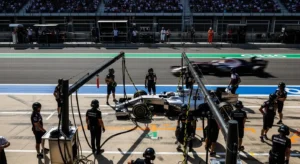
Another reason this trend feels durable is that EV club competition is not standing alone. It is connected to a wider ladder of track participation. NASA’s Time Trial page says the series welcomes everything from converted production cars to “the current crop of electric cars,” and it explicitly notes that EVs now have a Time Trial class within NASA. NASA also describes Time Trial as the bridge between HPDE 4 and wheel-to-wheel racing. That is exactly the kind of bridge electric competition needs. Drivers do not have to leap from daily-driving an EV straight into a full race build. They can learn the platform at HPDE, chase lap times in Time Trial, and only then step into a spec-style or sprint-race format if the car, the driver, and the class are ready.
GRIDLIFE’s eligibility language reinforces that same progression. Its Model 3 Challenge page says a racing license is not required, though recommended, and that drivers need documented racetrack experience with a minimum of eight HPDE events. That tells you a lot about where electric spec racing sits in 2025. It is not a casual novelty class for people with zero track background, but it is also not locked behind an old-school pro licensing gate. It lives in the sweet spot where serious enthusiasts can move from lapping days into structured competition without needing a full professional apparatus. That is how grassroots American motorsport actually grows.
The paddock is learning in public
One of the more revealing SCCA stories from 2025 was not about a polished one-make field at all. It was about experimentation. In September 2025, SCCA profiled a San Francisco Region competitor who had built and raced an altered Tesla in regional EV road-racing competition at Laguna Seca. The story highlighted issues like cooling, battery and motor heat management, and the practical realities of charging access between sessions. That is not spec racing by itself, but it shows the same thing every grassroots racer knows: before a class becomes normal, somebody has to show up with a weird build, test the limits, and teach the paddock what works. EV racing in US club circles is already in that phase.
This is why 2025 matters more than a hype cycle. The American club scene is no longer just watching EV motorsport from afar. It is writing procedures, opening classes, refining formats, and solving real-world paddock problems. SCCA’s EVAC and SCREV framework give organizers a common safety baseline. NASA gives EV drivers a competitive time-trial home. GRIDLIFE gives the scene a recognizable spec-style template. Regional builders are stress-testing what EV race prep actually looks like over a weekend. None of that is theoretical. It is the slow, practical work that turns a new technology into a durable racing culture.
What still has to be solved
Of course, the rise is real only if we are honest about the friction points. The same sources that show momentum also show the limits. Model 3 Challenge openly said charging solutions were a factor in rebuilding toward bigger event fields. SCCA’s EV framework exists precisely because tracks, workers, and clubs need EV-specific safety procedures, not just generic race-weekend habits. And the regional Tesla build SCCA profiled made clear that cooling and charging access can decide whether an electric race car is practical across a full event weekend. In other words, 2025 is not the year EV spec racing “arrived” fully formed. It is the year the US club scene proved it was serious enough to work through the hard parts.
That is actually a positive sign. Mature classes do not begin with perfect infrastructure. They begin when enough competitors and organizers decide the effort is worth standardizing. The best evidence for electric spec racing is not that every issue is solved. It is that the leading grassroots organizations are no longer treating those issues as deal-breakers. They are treating them as engineering, rules, and event-management problems. In American motorsport, that is usually how lasting categories are born.
Where this goes after 2025
My read is that the next stage of electric spec racing in the US will not be a direct copy of gasoline-era club racing. It will probably keep growing first through time trials, managed-passing sprint formats, and one-platform development classes before it fully matures into more traditional weekend-long wheel-to-wheel racing across many regions. That is already the direction implied by GRIDLIFE’s competition format, NASA’s EV-friendly Time Trial ladder, and SCCA’s multi-program EV rulemaking. If field sizes continue to grow and charging becomes easier to manage at the track, there is no reason a true one-make or tightly balanced EV club series cannot become a normal part of the American amateur scene.
The deeper reason to take this seriously is cultural. Club racing in the United States has always rewarded practical platforms, strong community knowledge, and classes that feel repeatable from track to track. EVs are finally starting to fit that mold. Not because they became simpler overnight, but because the people who run amateur motorsport are translating them into formats the paddock already understands. In 2025, that translation got much better. And once a category becomes legible to grassroots racers, growth tends to follow.
Conclusion
So yes, electric spec racing is rising in US club circuits, but the rise is happening in a distinctly American way. It is showing up through official rulebooks, developmental classes, time-trial ladders, regional experimentation, and spec-style series built around real cars people can actually buy. SCCA is laying the governance foundation. NASA is keeping the competitive pathway open. GRIDLIFE and Model 3 Challenge are proving that a shared-platform EV format can attract serious interest and evolve with the market. That combination is more important than any single headline because it suggests the category is moving from curiosity to continuity.
If 2024 was the year many enthusiasts still asked whether electric club racing belonged in America at all, 2025 looks much more like the year the answer became obvious: it belongs wherever grassroots racers can build fair classes, keep the costs understandable, and create weekends people want to return to. That is the true foundation of spec racing. And for EVs in US club circuits, that foundation is finally being poured.